
Vacant property management is the regular care of a home while nobody lives in it: inspections, security checks, maintenance and reporting to the owner. In Kensington, where many owners live overseas or use the property for part of the year, it protects the building, keeps insurance valid and stops small problems becoming expensive ones.
Why an empty Kensington property is a risk
An empty home deteriorates faster than an occupied one. A slow leak, a failed boiler or a broken window can go unnoticed for weeks.
- Insurance: many home insurance policies restrict cover once a property has been unoccupied for 30 to 60 days in a row. Check your policy wording.
- Council tax: councils in England can charge a premium on homes left empty for a year or more. In Kensington and Chelsea, a home left empty and unfurnished for more than a year is charged a 100% premium, so the bill doubles. Check the current rules with the Royal Borough of Kensington and Chelsea.
- Security: a visibly empty property is more exposed to break-ins and squatting.
- Condition: without heating and ventilation, damp and mould build up, especially in winter.
What vacant property management covers
- Scheduled inspections inside and outside the property.
- Checks on heating, water, electrics and alarms.
- Running taps and ventilating rooms.
- Collecting post and removing signs that the home is empty.
- Key holding and access for contractors, surveyors and deliveries.
- Cleaning before the owner or a guest arrives.
- A written report with photos after each visit.
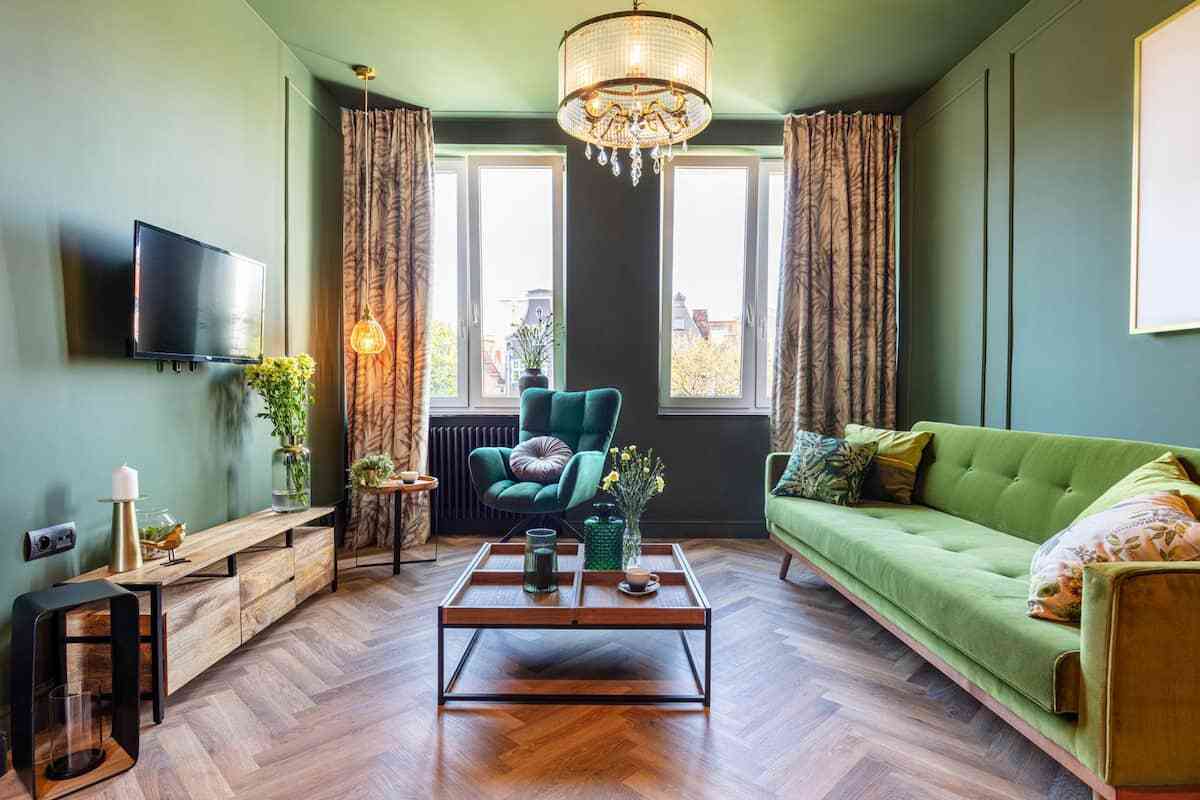
The alternative: keep the property occupied
The most reliable way to protect an empty home is to stop it being empty. A managed short let brings guests into the property, pays for its running costs and means it is professionally cleaned and checked after every stay.
In London, an entire home can be short-let for up to 90 nights per calendar year without planning permission. After that, stays of 90 nights or more can fill the rest of the year. See our guide to London’s 90-night rule.
Which option suits which owner
- You live overseas and visit a few times a year: managed short lets, with your own dates blocked in the calendar.
- The property is between long-term tenants: short lets for the gap, so there is no void period.
- The property is waiting to be sold or refurbished: inspections only.
- It is a second home used at set times: short lets around your own stays.
How Bosmino looks after Kensington properties
Bosmino manages short lets for owners across Kensington, South Kensington, Earl’s Court and Holland Park. We handle the listing, pricing, guests, cleaning and maintenance, and report to you wherever you are. The property stays occupied, earning and looked after.
See property management in Kensington or Airbnb management in Kensington, or contact us for a free estimate.
Frequently Asked Questions
What is vacant property management?
It is the regular care of a home while nobody lives in it. It usually includes inspections, security and maintenance checks, key holding and reports to the owner.
How often should an empty property be inspected?
Check your insurance policy first, because many insurers set a minimum inspection frequency for unoccupied homes. Weekly or fortnightly visits are common, and more often in winter.
Does my insurance cover an empty property?
Often only for a limited time. Many home insurance policies restrict cover once a property has been unoccupied for 30 to 60 days in a row. Tell your insurer and ask for unoccupied property cover if needed.
Can I short-let my Kensington property while I am away?
Yes, for up to 90 nights per calendar year without planning permission, provided your lease, mortgage and insurance allow it. A management company can run the lets for you.